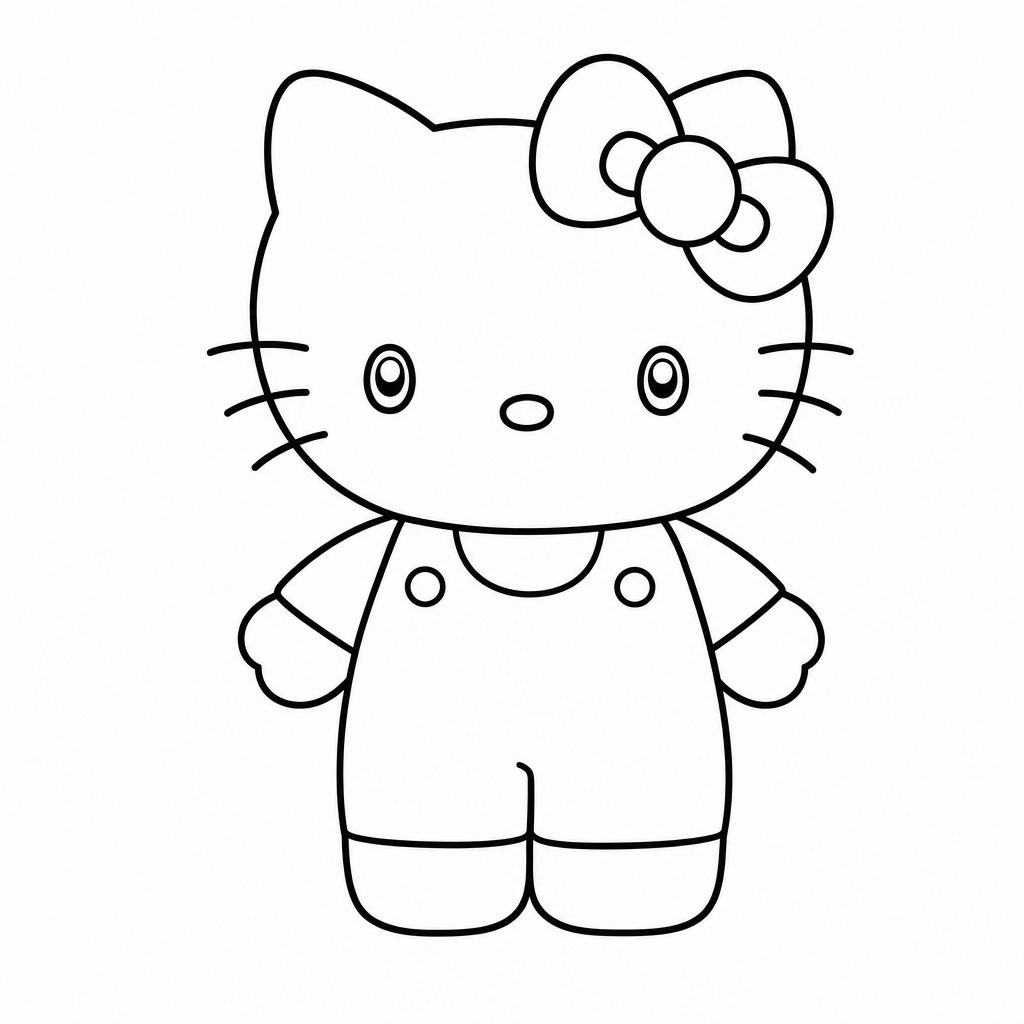
Hello Kitty
Free printable Sanrio coloring pages for kids with Hello Kitty, Kuromi, Cinnamoroll, My Melody, Pompompurin, Pochacco, Keroppi, and Badtz-Maru.
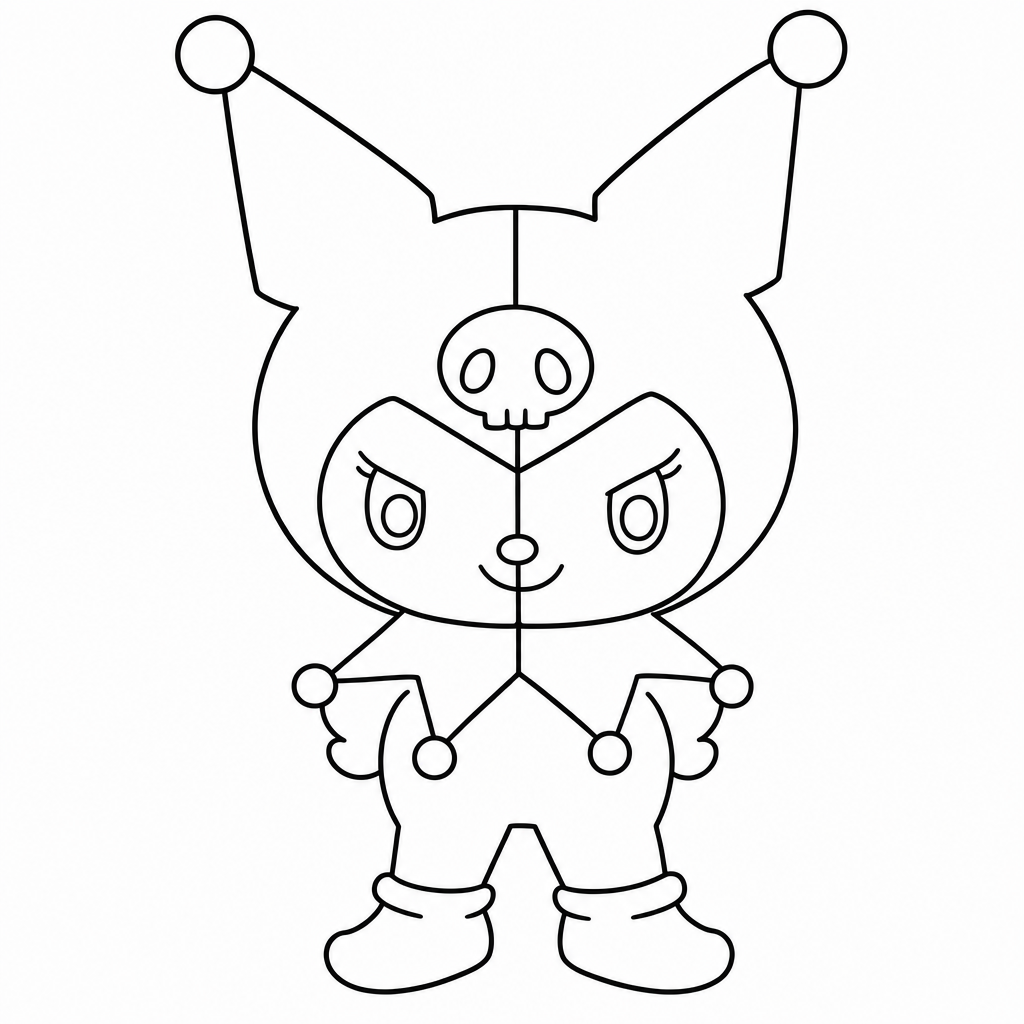
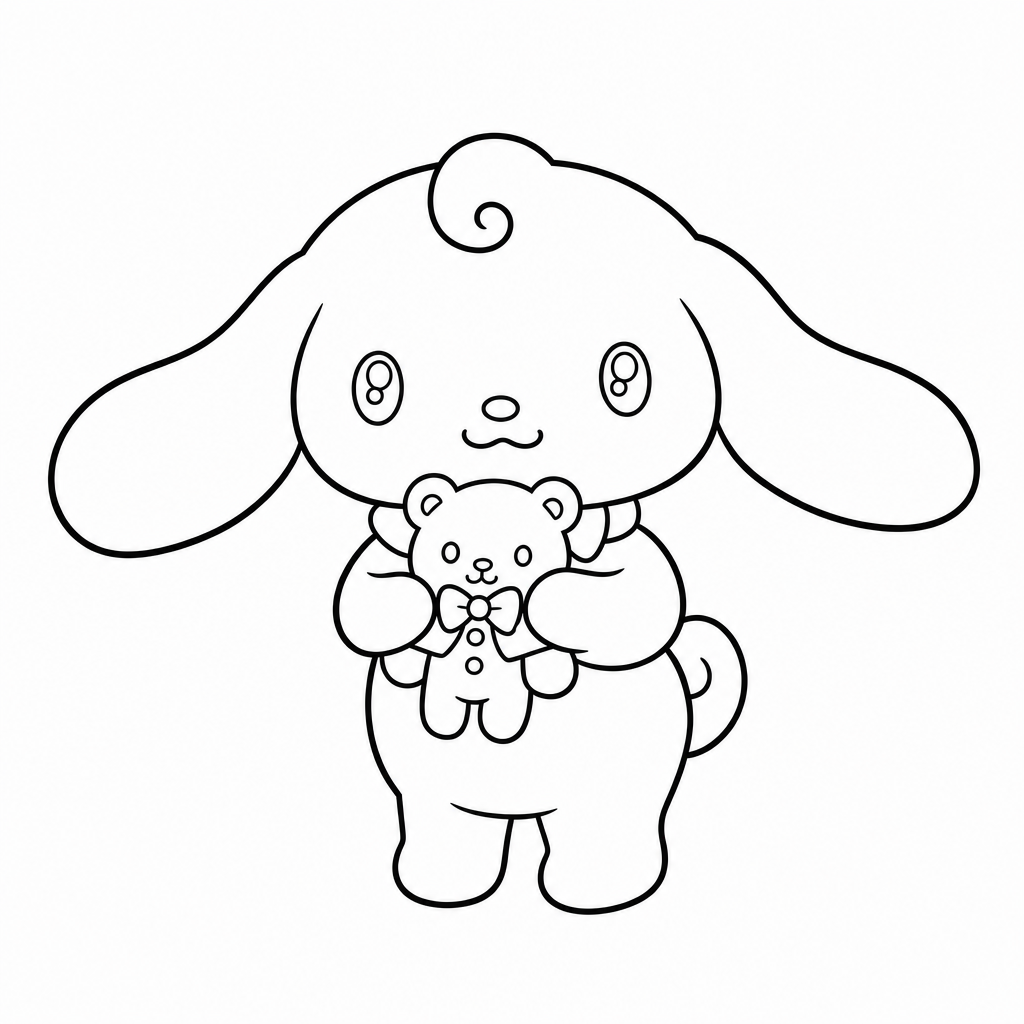
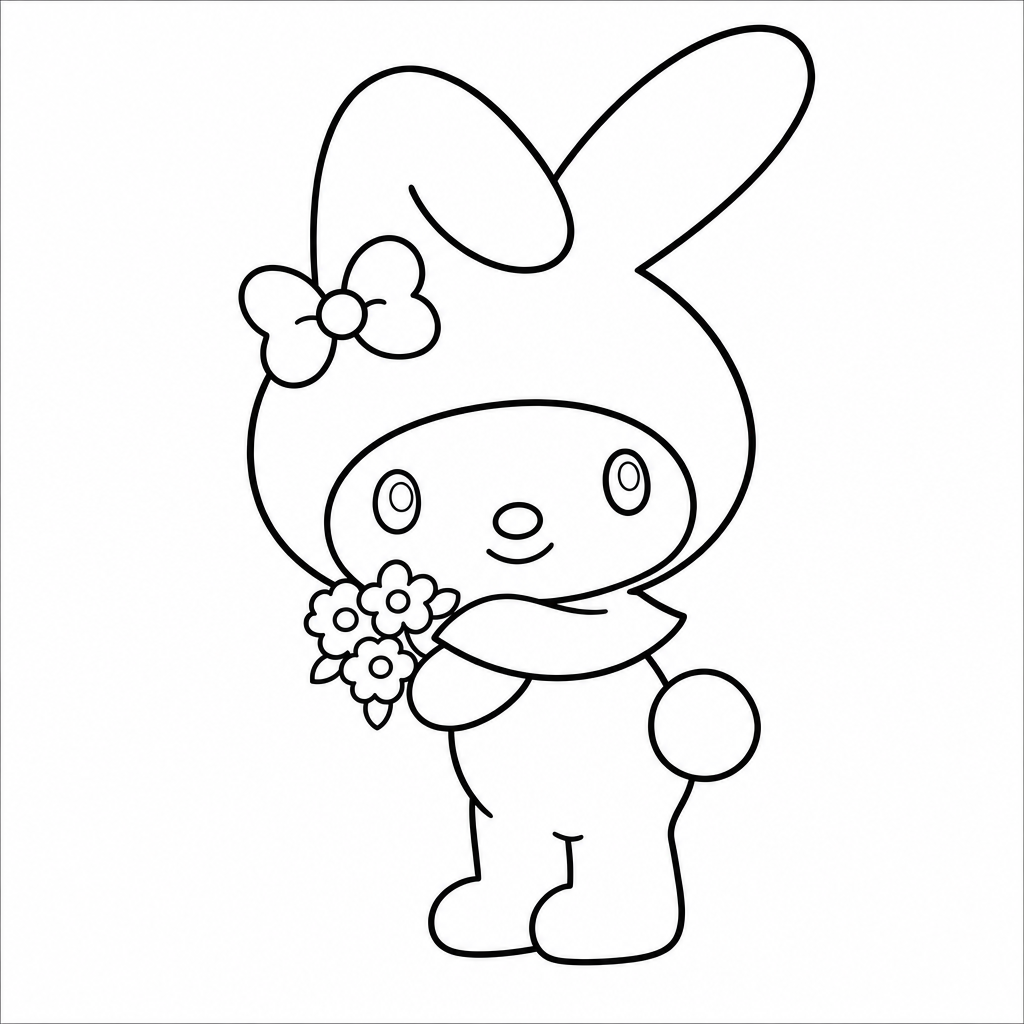
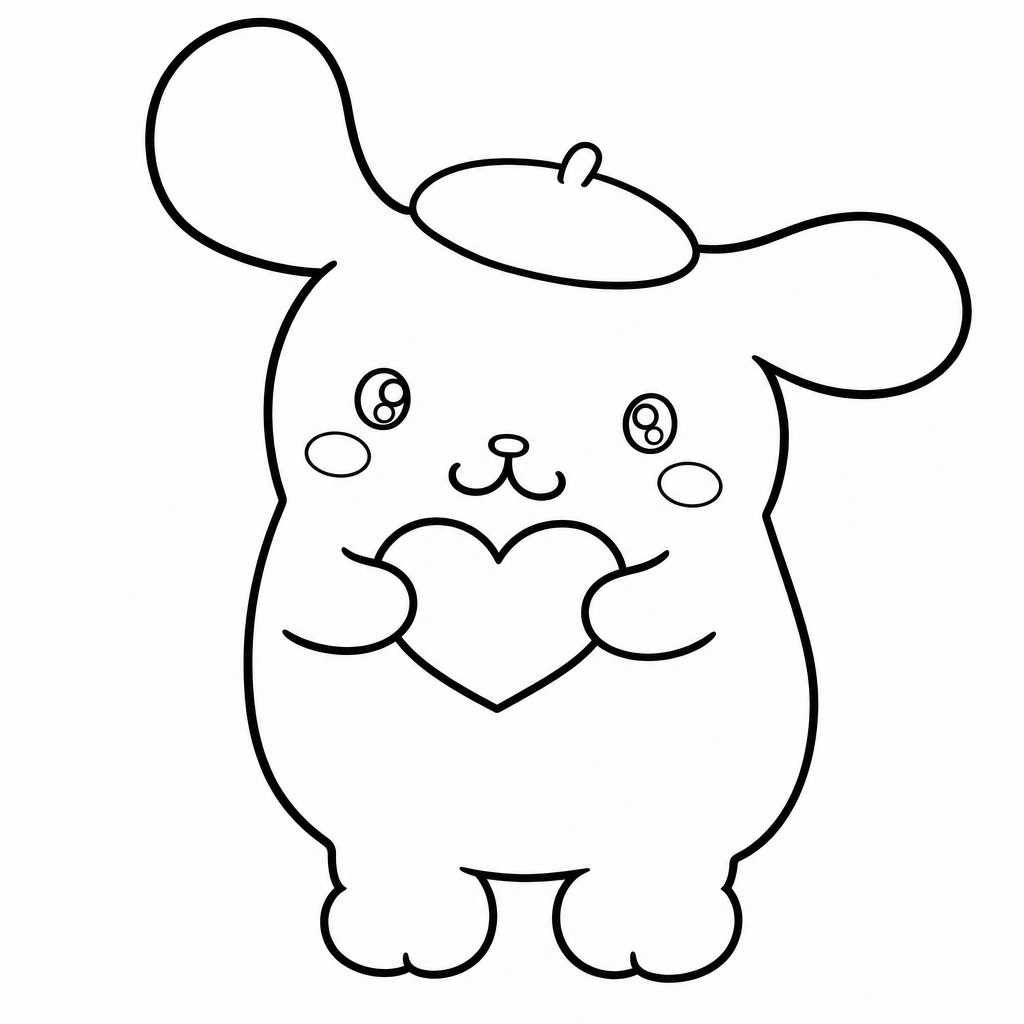
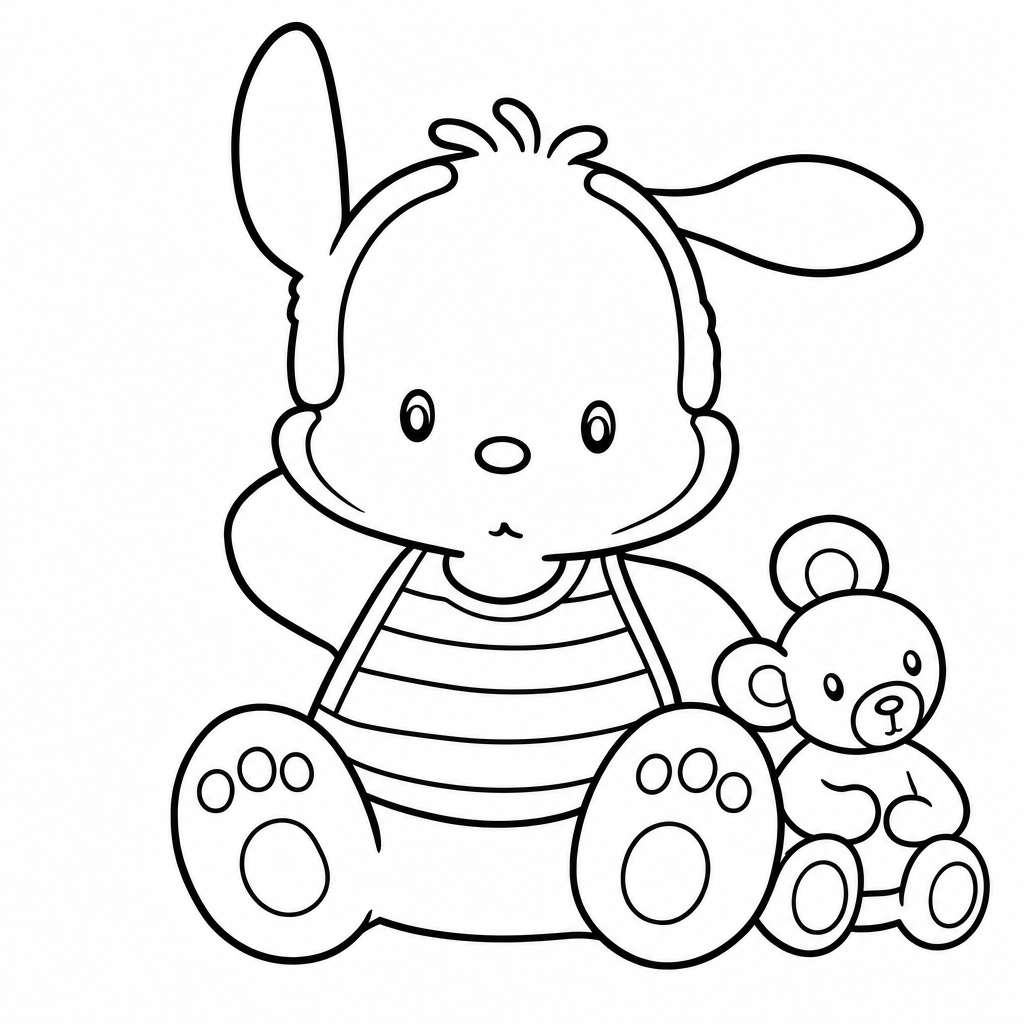
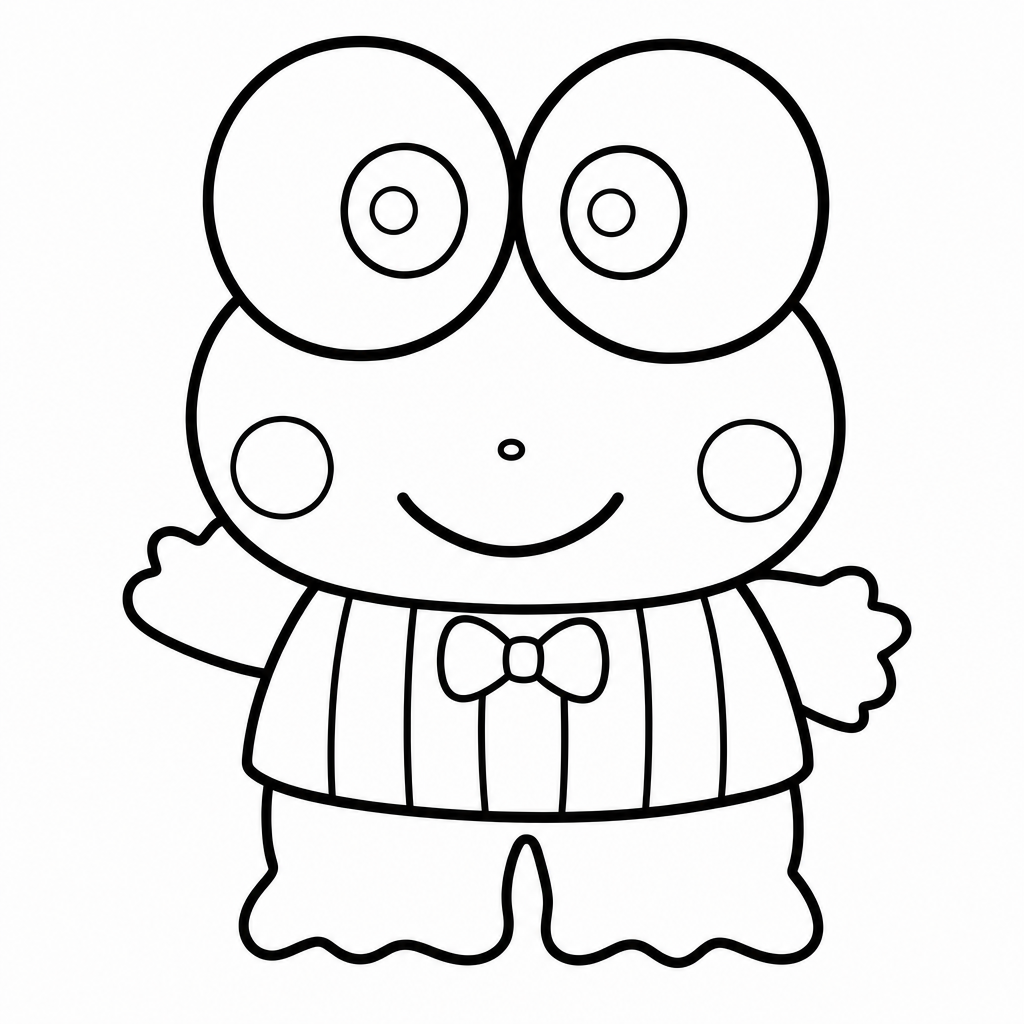
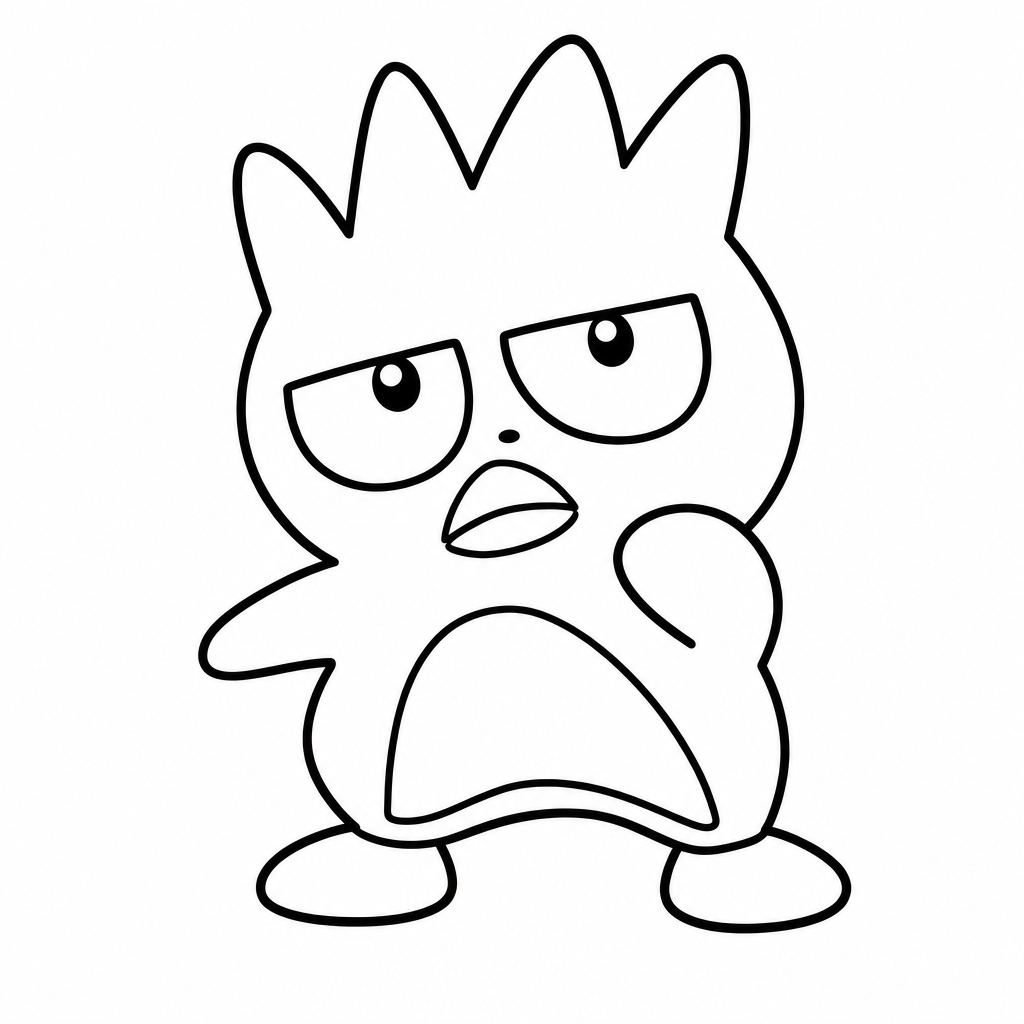
Eight printable Sanrio coloring pages to start: Hello Kitty, Kuromi, Cinnamoroll, My Melody, Pompompurin, Pochacco, Keroppi, and Badtz-Maru. Every page is hand-drawn line art, sized 8.5×11 at 300 DPI, optimized for crayons, markers, or colored pencils. Pages download instantly — no email signup, no ads, no spam.
Sanrio is the Japanese kawaii powerhouse that’s been quietly raising generations of kids since 1974. The current cast is enjoying a major comeback — Kuromi blew up on TikTok in 2023–2024, Cinnamoroll won “Character Ranking” multiple years running, and Hello Kitty turned 50 in 2024 with a global merchandise reset. We’ve translated the most-recognized characters into kid-friendly line art that lets kids be part of that cultural moment with a crayon instead of a credit card.
Sanrio is the rare IP where the character design itself is engineered for low-detail, high-recognition art. Hello Kitty has no mouth, no nose contours, no shading — by design — because the creators wanted kids to project their own emotions onto her face. That same design discipline carries through the whole roster: every Sanrio character can be reduced to 5–8 outlines and still be instantly recognizable.
That’s perfect for coloring pages. The line art doesn’t need shading, hatching, or detail flourishes to look “right” — the simplified style is the canonical style. Kids see the page and immediately go “oh, that’s Cinnamoroll” because Cinnamoroll has always been a few clean shapes.
It’s also one of the only character lineups that genuinely spans generations of fans. A parent born in the 1980s coloring next to a kid in 2026 share the same iconography — Hello Kitty hasn’t really changed since 1974. That makes Sanrio coloring sessions a rare cross-generational craft moment, not just a screen-replacement activity.
The roster is huge. Confirmed additions on the queue:
We’ll prioritize whichever ones your kids actually ask for. Tell us on Pinterest and we’ll bump them up the list.
The shapes are intentionally clean and the fill areas generous. Kids can add their own backgrounds — Hello Kitty in a strawberry field, Kuromi at a concert, Cinnamoroll flying through clouds, Keroppi on a lily pad — to personalize each page without competing with the line art.
Sanrio sits at a sweet spot for kids: characters are familiar enough to feel like friends (they’re on every store shelf, every bag charm, every YouTube unboxing video), but the visual style is simple enough that kids can actually draw them too. Coloring a Hello Kitty page often leads to a kid trying to draw their own Hello Kitty afterward — the design is learnable in a way that more detailed IP (Disney princesses, Marvel) isn’t.
The character variety also matters. Most kids’ coloring sets are either all sweet (Disney princesses) or all chaotic (superheroes). Sanrio spans both ends — Cinnamoroll for the gentle kid, Kuromi for the edgy kid, Keroppi for the kid who loves frogs, Badtz-Maru for the kid who likes attitude. The same coloring session can accommodate a six-year-old’s My Melody fixation and a ten-year-old’s Kuromi-only phase.
For Asian-American families, there’s an extra layer: Sanrio is genuinely Japanese, not “Asian-inspired by an American studio.” Kids who connect with the characters are connecting with the actual culture that created them. That’s the small daily exposure to East Asian visual storytelling that builds cultural fluency over years.
If your kid is into Sanrio at all, they have a strong opinion on Kuromi vs. My Melody. The two characters share storylines (same Mariland universe, same friend circle) but have opposite personalities by design:
Both pages are in this collection. Print them side-by-side and let kids color them as the opposing duo — it’s a built-in coloring activity. Some kids will color Kuromi’s hat in defiant pink and My Melody’s hood in unexpected black just to mix it up.
The rivalry is also a low-stakes way to talk about character archetypes — sweet hero vs. lovable trickster, classic vs. modern, gentle vs. bold. Both are valid; both are popular; both get full Sanrio canonization. That’s a kid-friendly version of “every personality has a place in the world.”
Try our AI generator above to make custom Sanrio-style coloring pages with your kid’s favorite scene:
The generator draws line art in about 10 seconds and gives you a printable PDF. Note: it’s a fan-art tool — outputs are inspired by the Sanrio style but not official Sanrio Co. art.
Sanrio Co., Ltd. was founded in Tokyo in 1960 by Shintaro Tsuji, originally selling silk products with cute illustrations printed on them. The “kawaii” (cute) commercial concept Tsuji pioneered eventually became Japan’s biggest cultural export after anime — Hello Kitty alone is one of the highest-grossing media franchises in history, ahead of Mickey Mouse, Star Wars, and Harry Potter by lifetime revenue.
Hello Kitty was designed in 1974 by Yuko Shimizu (the first character designer) and is now drawn by Yuko Yamaguchi (who took over in 1980). She’s officially a British girl named Kitty White who lives in London with her family. That trivia delights kids when you tell them — most assume Hello Kitty is from Japan because Sanrio is Japanese.
The character roster expanded across decades: My Melody (1975), Little Twin Stars (1975), Keroppi (1988), Pochacco (1989), Badtz-Maru (1993), Pompompurin (1996), Cinnamoroll (2001), Kuromi (2005), Gudetama (2013). Each character is a different personality archetype — Sanrio’s design rule is that the lineup as a whole should let every kind of kid find a “their” character.
The annual Sanrio Character Ranking poll (started 1986) is the biggest cute-character contest on Earth, with millions of votes worldwide. Cinnamoroll has been the recent dominant winner; Kuromi has been the breakout climber on TikTok; Hello Kitty stays in the top five through pure cross-generational gravity. If you tell your kid the rankings exist, they will immediately have opinions about who deserves to win this year.
Hand-drawn fan-art line art, optimized for printing on a home printer. Not affiliated with Sanrio Co., Ltd. or any official Sanrio licensee. For personal and classroom use only — please don’t sell prints.
Hello Kitty, Kuromi, Cinnamoroll, My Melody, Pompompurin, Pochacco, Keroppi, Badtz-Maru, and all Sanrio characters are © Sanrio Co., Ltd. If your kid loves Sanrio, the official merchandise (plushies, stationery, blind boxes, bag charms) is worth picking up at the Sanrio store, on Amazon, or in any major mall — these printables are for kids and crafts, not as a substitute for supporting the company that makes the characters.
Instant-download a 25-page printable pack, or gift the custom storybook bundle starring your kid plus a matching printed coloring pack.